I sold cars for years. Here’s what I’d actually buy and why.
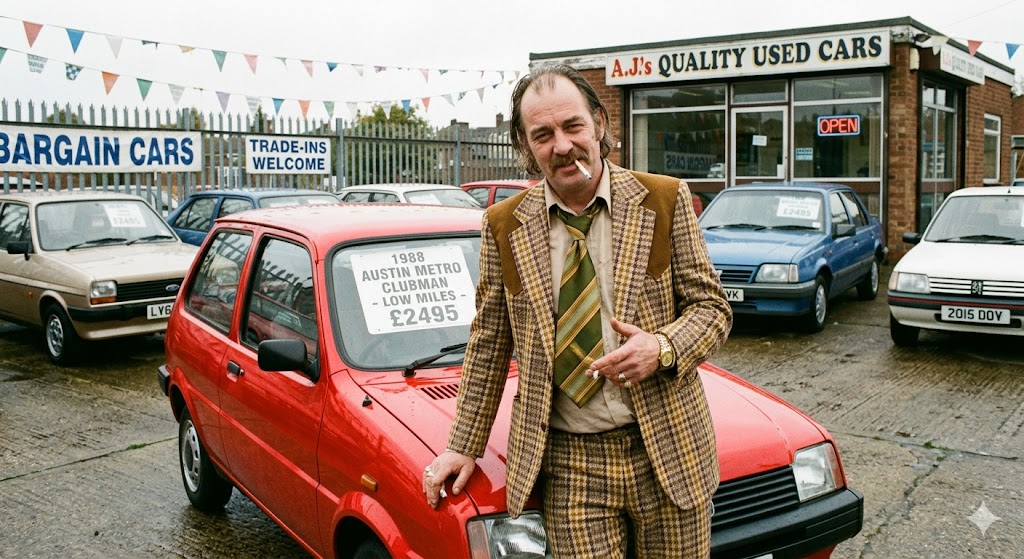
What I’d actually buy as a former car dealer might surprise you — but this story starts with a red Metro. 1988. I was nervous, the customer was nervous, and I’m fairly sure the Metro was nervous too. You never forget your first.
That sale taught me something I’d spend the next few years having beaten into me: selling cars and buying cars are two entirely different sports. One of them, I got quite good at. The other — well, let’s just say I’ve had some education.
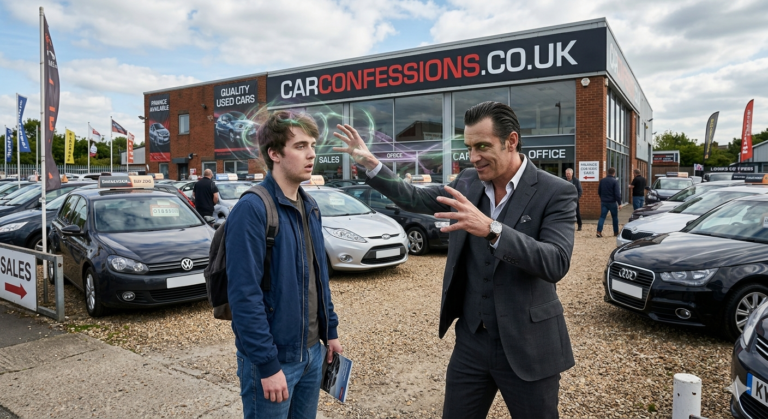
After years on the forecourt, I’ve stood on both sides of the deal. I’ve watched customers make the same mistakes over and over again. I’ve been guilty of making a few myself. And now I’ve decided the most useful thing I can do with all that knowledge is give it away.
So here it is — what I’d actually buy if I were in the market today, and more importantly, how I’d buy it.
Forget new. Nearly new is where the money is.
New cars lose somewhere between 15% and 25% of their value the moment you drive them off the forecourt. That’s not a myth cooked up by used car dealers to protect their patch. It’s just what happens.
If you buy a car that’s 12 to 18 months old with sensible mileage, someone else has already absorbed that hit for you. You get a car that’s essentially new, usually still under manufacturer warranty, and you’ve saved yourself thousands before you’ve even turned the key.
The sweet spot in the current market? Two to three year old family hatchbacks and SUVs. High supply, predictable running costs, and plenty of history to check. There’s usually a good selection on AutoTrader — filter by age and mileage and you’ll get a clear picture of what’s available and what the going rate actually is.
What I’d actually buy: the cars I’d consider
I’m not going to pretend there’s one perfect answer — it depends what you need it for. But here are the types I’d be looking at seriously, and why.
For everyday family use: a two or three year old Skoda Octavia or VW Golf Both come from the same parts bin, both are built to last, and both have enough of them on the market to keep prices honest. The Octavia in particular is criminally underrated — estate version especially. Loads of space, dull enough that nobody steals them, and cheap to service.
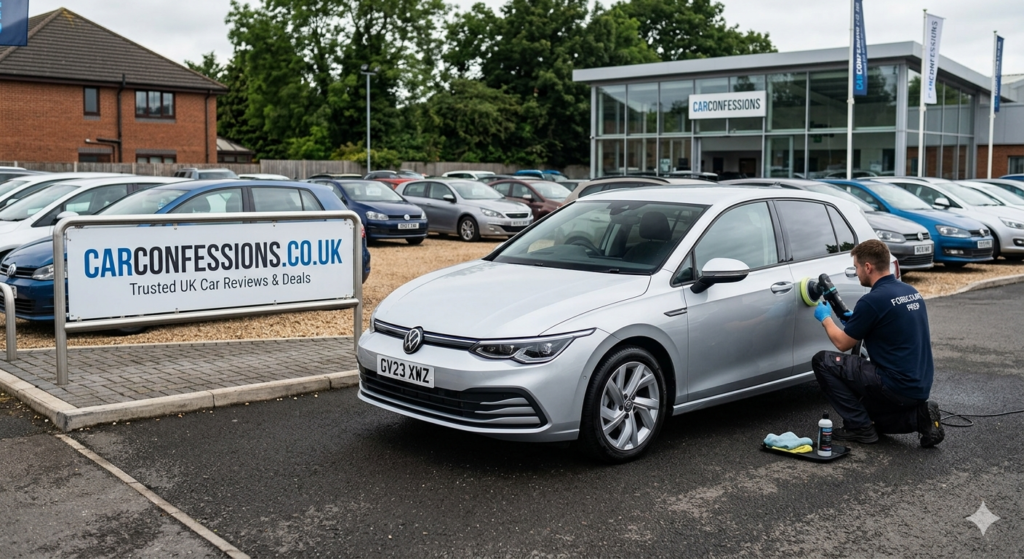
For lower mileage / mostly town driving: a used Toyota Yaris or Honda Jazz hybrid The hybrid system on both of these is so reliable it’s almost boring. No plugging in, no range anxiety, just better fuel economy and lower running costs. Toyota’s hybrid tech has been around long enough now that the used market is mature and priced sensibly.
If budget is tight: a three to five year old Ford Fiesta or Vauxhall Corsa Not glamorous. Brilliantly practical. Parts are everywhere, every mechanic in the country knows them, and there are enough on the market that if you don’t like the look of one you can walk away and find another tomorrow.
What I’d avoid
Knowing what I’d actually buy is only half the story — knowing what to avoid matters just as much. I’ll be diplomatic here. I’m not going to name specific models. What I will say is this: be very cautious about anything that was heavily discounted when new. There’s usually a reason manufacturers were giving them away — and that reason tends to follow the car into the used market as reliability issues and expensive repairs.
Also avoid anything where the service history is “available on request” or “partial.” That’s forecourt speak for “we haven’t got it and we’re hoping you won’t push.” Push.
How I’d buy it
This is the bit most guides skip because it’s awkward. You want to know what I’d actually buy — well, first you need to know how I’d approach the buying process. Here’s what I’d actually do:
Not sure whether to use HP, PCP or PCH? Read our guide to car finance options before you start.
1. Agree the car price before you mention anything else. Don’t tell the dealer what you want for your trade-in. Don’t tell them you’re paying cash or using finance. Agree the price of the car you’re buying first, on its own merits. Once that number is fixed, then you can start talking about everything else. The moment you mix it all together, you’ve handed them four different levers to pull.
2. Get an HPI check. Every time. No exceptions.** I’ve seen cars come through that looked immaculate and had more hidden baggage than a soap opera character. Outstanding finance, previous write-offs, clocked mileage. An HPI check — and see our guide to 7 essential used car checks costs around £20. A nasty surprise costs considerably more.
3. Check the MOT history before you go. TThe DVLA’s free MOT history checker will tell you everything — previous mileage readings, what it’s failed on before, what advisories it’s had. A car with a clean history of regular MOTs at consistent mileage is a very different proposition to one with gaps.
4. Take it for a proper test drive. Not round the block. At least 20 minutes, including a dual carriageway. Cold start if you can manage it — that’s when any issues tend to announce themselves.
5. Walk away at least once. Seriously. Even if you love the car. Even if the deal seems good. Tell them you want to think about it overnight. Two things will happen: either the deal gets a little better, or you’ll sleep on it and realise you were about to spend £12,000 on something with a dodgy service history and a boot that smells of dog.
The bit where I admit something
Here’s the confession.
I’ve thought a lot about what I’d actually buy now — and this article is my honest answer. In all my years selling cars, the customers who got the best deals weren’t the ones who came in waving printouts and demanding to see the invoice price. They were the ones who were calm, well-prepared, and genuinely happy to walk away.
Dealers can smell desperation. They can also smell someone who’s done their homework.
Be the second type.
Got a question about buying a used car? Or a horror story from your own forecourt experience? Drop it in the comments — the more embarrassing, the better.
Before you buy anything, check these: