GAP Insurance Was the One Thing I Sold That I’m Actually Glad I Sold
This is my confession about GAP insurance — and why it’s the one product I actually stand behind.
I sold PPI.
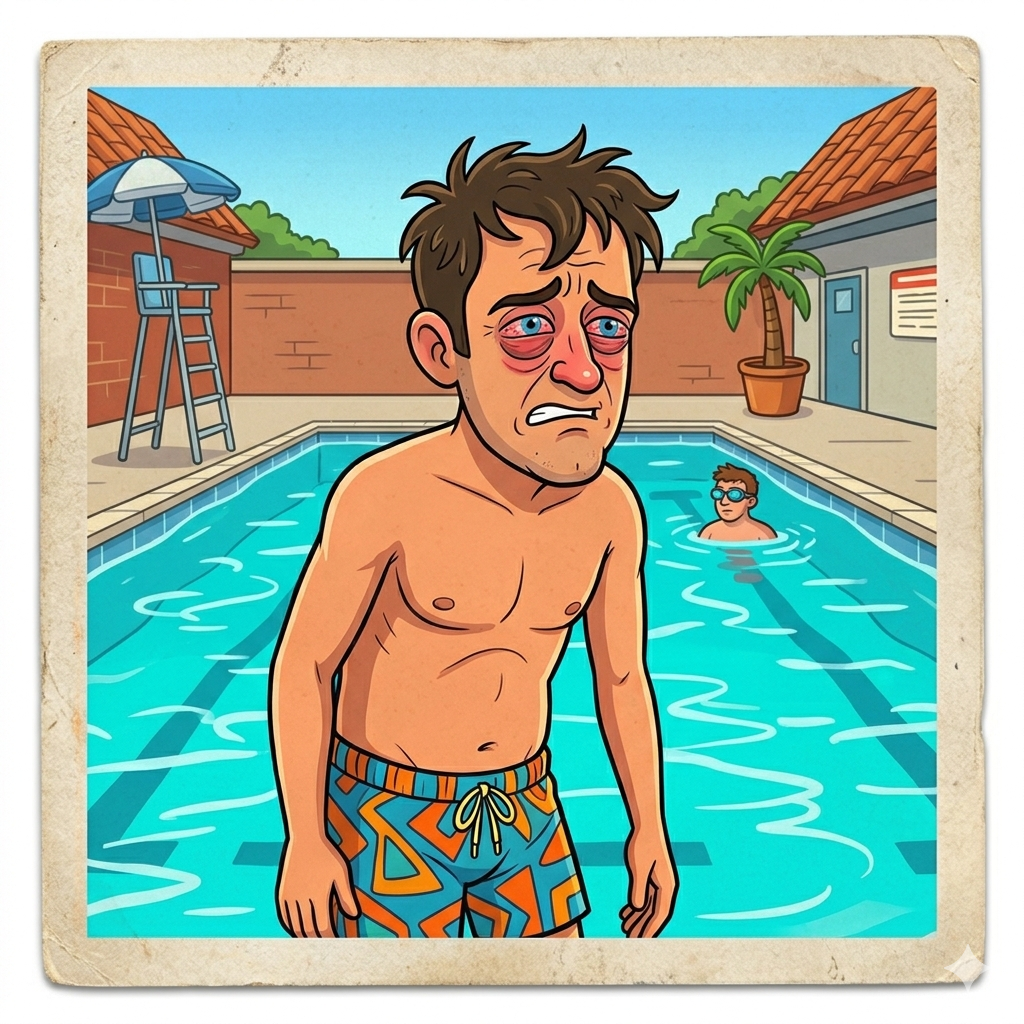
There. I’ve said it. I sold it to people who were self-employed and therefore couldn’t claim on it. I sold it to people who had full income protection through their employer and would never need it. I sold it to people who, if I’m being honest, probably thought PPI was something that happened if you swam without goggles in a public swimming pool.
I was paid well to sell it. I sold it anyway. I’m not proud of it.
But this isn’t a confession about PPI. PPI was a scandal, it deserved everything it got, and the compensation scheme that followed was entirely justified. I’ve made my peace with what I did, even if my conscience hasn’t entirely.
This is a confession about something different. This is about GAP insurance — and why, unlike almost everything else I sold from behind that desk, I actually think it’s worth your money.
First, what is GAP insurance?
GAP stands for Guaranteed Asset Protection. The idea is simple: your car insurance pays out what your car is worth the day it’s written off. GAP insurance pays the difference between that payout and what you owe — or in some cases, what you originally paid.
Here’s why that matters. Cars depreciate fast. A new car loses around 20% of its value the moment you drive it off the forecourt. By year three, it might be worth 40–50% of what you paid. If you financed it on PCP — and most people do — you could still owe significantly more than the car is worth.
Then someone drives into the back of you on the M6, the car is written off, and your insurer pays you £12,000.
You owe £17,500 on your finance agreement.
The £5,500 gap is your problem. That’s what GAP insurance is for.
Why I’m defending a product I was paid to sell
I know how this looks. Former dealer says the thing dealers sell is actually good. Very convenient.
But here’s the thing: I also sold paint protection film that was essentially glorified wax applied with a cloth. I sold extended warranties with so many exclusions they were nearly worthless. I sold rustproofing to people buying cars that were already rustproofed from the factory. I was not a man who let ethics slow down a sale.
GAP insurance was different. I saw people come back after write-offs. I saw the look on their face when they realised their car insurer had paid out £14,000 and they still had to find another £4,000 before the finance company would release the debt. I watched a woman — perfectly nice, hadn’t done anything wrong, just had a car written off — have to arrange a separate personal loan to cover the shortfall. She still had no car at the end of it.
GAP insurance would have cost her about £150. Paid out over a year earlier, it would have covered every penny.
That’s the product. It does what it says. I’ve never said that about rustproofing.
Then the FCA got involved
In 2015, the Financial Conduct Authority (FCA) got uncomfortable with how GAP insurance was being sold at dealerships. And honestly? They weren’t wrong to look at it. The commissions were enormous. The pressure to sell it was significant. Some dealers were selling policies that weren’t right for the customer’s situation — people who paid cash, for example, don’t need GAP in the same way, because there’s no finance shortfall.
So the FCA introduced new rules. Dealers had to wait four days after selling a car before they could sell GAP insurance. Customers had to be given information to shop around. Commissions were scrutinised. The whole thing was tightened up.
And then, in 2024, the FCA went further. They began an investigation into historical discretionary commission arrangements across motor finance more broadly — and GAP insurance, already in the crosshairs, became increasingly difficult for dealers to offer at all. Many simply stopped.
The result? The customers who needed GAP insurance the most — people on PCP deals, people buying cars they couldn’t comfortably afford to replace — are now less likely to be offered it, less likely to know it exists, and more likely to be left exposed.
The FCA’s instinct was right. The execution hurt the people it was meant to protect.
Should you bother with GAP insurance?
It depends on your situation. Here’s a straight answer:
You probably want GAP insurance if:
- You bought your car on PCP or HP finance
- You put down a small deposit (or no deposit)
- Your car is less than three years old
- You couldn’t comfortably find several thousand pounds at short notice if your car was written off tomorrow
You probably don’t need it if:
- You paid cash
- You’ve paid off most of your finance and the remaining balance is low
- Your car has held its value unusually well and your insurer’s payout would cover the debt
If you do want it, don’t buy it from the dealer. The dealership mark-up on GAP insurance was, in my day, extraordinary. Buy it independently online — you’ll pay a fraction of the price for an equivalent or better policy. There are reputable standalone providers who’ll sell you GAP cover for a car you bought elsewhere. Use them.
Don’t let anyone tell you that you have to buy it from the dealer. You don’t. I know because I was the dealer who told you that you did.
The confession
I sold PPI for years knowing, if I’m honest, that something wasn’t right. The commissions were too good. The product was too easy to add on. The customers asked too few questions because they trusted us. I told myself everyone was doing it. Everyone was. That doesn’t make it right.
GAP insurance I could sleep on. I sold it to people who needed it, at a price that made me and the dealership a lot of money, to customers who would have benefited from shopping around — but who genuinely needed the product itself.
The FCA wanted to clean up how it was sold. Fair enough. But the consequence is that fewer people now have a product that, when their car is written off and the finance company comes calling, would have made a real difference.
That’s not a win for consumers. That’s a regulator solving the wrong part of the problem.
If you’re on a PCP deal and you don’t have GAP insurance, have a look at what it costs independently. It might be the one thing a dealer would have recommended that was actually worth taking.