Used Car Warranties: What They Cover, What They Don’t, and When to Pay for One
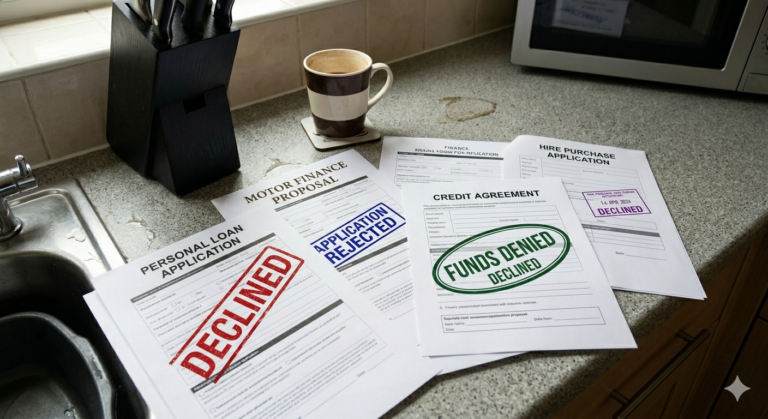
I sold a lot of used car warranties in my time. Hundreds of them. And here’s the uncomfortable truth I’ll get out of the way early: I sold plenty to people who didn’t need them, and I watched plenty of claims get declined for reasons buried on page nine of a document nobody read. Including me.
A used car warranty is one of those products that sounds simple — “if it breaks, we fix it” — and is anything but. Some are genuinely worth having. Some are barely worth the paper. The difference is almost never explained to you at the point of sale, because the person selling it to you is on commission and the handover is booked for Thursday.
So let’s do what the dealership won’t: go through what these things actually are, what they cover, where they quietly stop covering, and how to decide whether to pay for one.
First: you have rights before any used car warranty exists
This is the bit dealers hope you don’t know, so I’m putting it first.
When you buy a car from a dealer in the UK, the Consumer Rights Act 2015 applies whether or not you buy a warranty. The car must be of satisfactory quality, fit for purpose and as described.
If a fault appears within the first 30 days, you can reject the car for a full refund. If a fault appears within the first six months, the law assumes it was present when you bought it — and it’s on the dealer to prove otherwise, not on you.
None of that costs you a penny. A used car warranty sits on top of those rights — it never replaces them. If a salesperson implies you need the warranty to be protected in the first few months, that’s somewhere between misleading and nonsense. I’ve heard it said on forecourts more times than I’d like to admit.
The three types of used car warranties
Remaining manufacturer warranty. If the car is young enough, some of the original manufacturer cover may still be running — three years is typical, though Kia famously do seven and Toyota’s can stretch to ten with main dealer servicing.
This is the best cover you’ll ever have on a used car and it transfers with the vehicle. Check exactly when it expires before you assign it any value in the deal.
Dealer or approved used warranty. The cover bundled in when you buy from a franchised dealer — usually 12 months on an approved used car. The quality varies enormously by manufacturer scheme, which is exactly the territory I covered in my piece on what the Approved Used badge actually means.
Some are genuinely comprehensive. Some are an insurance product with a posh logo on it.
Third-party (aftermarket) warranties. The ones you buy separately, or the ones a smaller independent dealer includes “free” with the car. These are insurance policies underwritten by a company you’ve never heard of, and they range from decent to dreadful. The “free” three-month warranty an independent throws in is usually the most basic tier the warranty company offers — its main job is to make the dealer’s life easier, not yours.
5 shocking exclusions hiding in your used car warranty
Here’s where claims go to die. Every used car warranty has a list of covered components and a much more interesting list of exclusions. These are the five that catch people out, over and over:
- Wear and tear. The big one. Clutches, brakes, suspension bushes, batteries — the parts most likely to actually fail on a used car — are routinely excluded as “wear items.” A warranty that excludes wear and tear on an eight-year-old car has excluded most of the reasons an eight-year-old car visits a workshop.
- Claim limits. “Cover up to £5,000” usually means per claim, sometimes per item, occasionally capped at the value of the car. A gearbox on a modern automatic can cost more than the claim limit on a budget policy. Check the number against what a big repair actually costs, not against what sounds reassuring.
- Diagnosis and consequential damage. Many policies pay for the failed part but not the hours of labour spent finding the fault, and not the damage the failed part caused to other components. A snapped timing chain is cheap; the engine it destroyed is not — and some policies only pay for the chain.
- Betterment. If the repair leaves the car better than before — a new part replacing a worn one, which is every repair ever — some policies make you contribute to the difference.
- Servicing conditions. Miss a service, go over the mileage interval, or use the wrong oil spec, and the claim can be declined outright. This is the single most common reason I saw claims refused. Keep every invoice.
None of this is illegal or even hidden. It’s all in the policy document. The trick is that nobody reads the policy document in a handover bay with a salesperson hovering, which is precisely where these things get signed.
How dealers sell warranties (a confession in miniature)
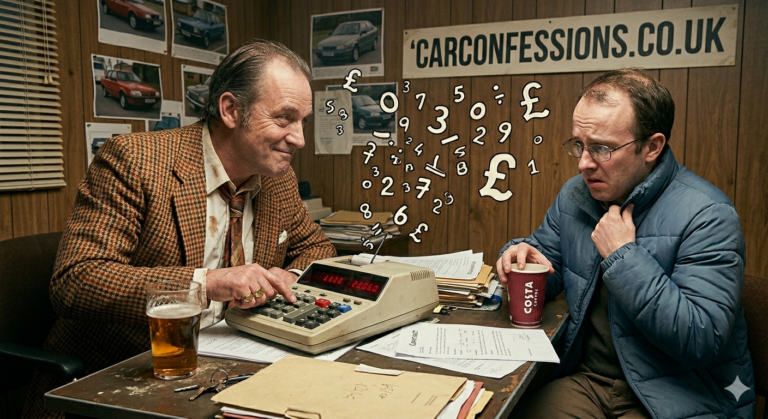
The warranty pitch happens at the moment of maximum emotional commitment — you’ve agreed the deal, you’ve pictured the car on your drive, and now the cost of the warranty gets framed as a monthly figure rather than a lump sum. “It’s only £12 a month for complete peace of mind.” Sound familiar? It’s the same move I described in my piece on why dealers want you thinking in monthly payments.
£12 a month is £288 over two years for a policy that may exclude the very things likely to go wrong.
The phrase “complete peace of mind” should make your eye twitch. No used car warranty offers complete anything. The good ones offer defined cover for defined components up to a defined limit. Anyone selling you “complete” is selling the feeling, not the product. I know, because selling the feeling was my job.
When a used car warranty is worth paying for
I’m not going to tell you they’re all rubbish, because they’re not — I covered GAP insurance on the same basis. A warranty earns its keep when the maths and the car line up:
- Complex, expensive-to-fix cars. A premium German automatic with air suspension and a turbo is a very different risk to a five-year-old Yaris. The more sophisticated the car, the more a genuine comprehensive policy is worth considering.
- You couldn’t absorb a big bill. If a surprise £2,000 repair would genuinely hurt, a decent warranty is a way of converting an unpredictable cost into a predictable one. That’s a legitimate trade.
- The policy is actually comprehensive. Look for “all mechanical and electrical components covered unless listed as excluded” rather than a list of what is included. That single difference in wording separates the best policies from the rest.
And when it isn’t: a cheap, simple, reliable car with a good history; a policy whose claim limit wouldn’t cover one major repair; or any situation where the same monthly money put into a savings account would build your own repair fund that covers everything, excludes nothing, and refunds itself if nothing goes wrong.
Before you sign anything
Five minutes of homework beats a year of regret. Ask for the full policy document — not the leaflet — and check the wear and tear position, the claim limit, the servicing conditions, and who actually underwrites it. Do it the same way you’d run the basics on the car itself; the same logic from my 7 used car checks every buyer must do applies. And remember the warranty conversation is a negotiation like everything else in the dealership — the price you’re quoted is an opening position, and “include the top-tier warranty and we have a deal” has closed many a sale in my experience. From both sides of the desk.
For an independent view of your statutory rights when a used car goes wrong, Citizens Advice has a clear guide.
Frank’s confession
There was a retired chap who bought a tidy little Honda from us. Low miles, full history, the most dependable car on the pitch. He didn’t need a warranty and I knew it — that Honda was going to outlive both of us. But the warranty target was short that month, and I did the peace-of-mind speech, and he signed for the top tier at £18 a month. The car never missed a beat. He paid every month for two years for the privilege of never claiming. The company was delighted. My manager was delighted. I told myself he was buying reassurance, and maybe he was. But I’ve never quite shaken the feeling that what he was actually buying was my bonus.
Have you had a used car warranty pay out properly — or had a claim declined on a technicality? Tell me in the comments. The declined ones are always more interesting.